
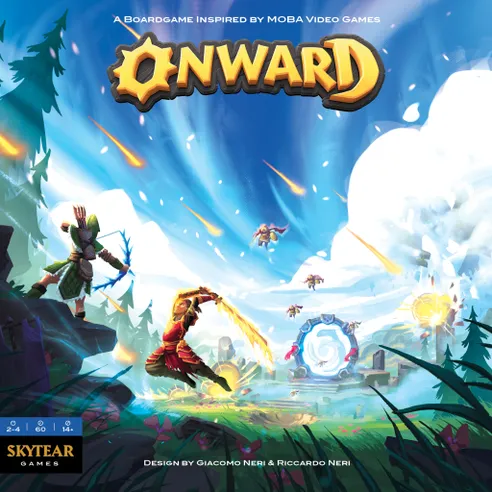
Players split into two teams, with each player controlling two or more champions.
The goal of the game is to destroy the enemy nexus that is a portal in the enemy base.
The game takes 45 to 90 minutes depending on the map that can have two or three lanes.
Lanes are corridors connecting the two nexuses and are populated with towers and minions from both teams.
Towers are defense structures preventing enemy champions and minions from rushing into the nexus.
Minions are weak units that grow in strength as they increase in number. They always try to advance toward the enemy nexus and attack any enemy in their way.
Jungles are dangerous areas between lanes where champions can venture to defeat monsters to gain gold and buy powerful items.
The river is a central area where your champions can go fight the colossal outsider... or die trying!
The mighty castles and sprawling cities of Rokugan are merely tiny islands of civilization in the vast wilderness that surrounds and envelops the Emerald Empire. From the dark and haunted depths of the Shinomen Mori forest to the sharp and icy peaks of the Great Wall of the North mountains, these ancient and wild lands hold countless dangers for the unwary. Only the wise samurai of the Dragon Clan embrace their writ to live in the wilds, and create the bridge between this world and civilization.
Writ of the Wilds explores the wilds of Rokugan, as well as the mysterious Dragon clan who makes these lands their home. In this sourcebook for the Legend of the Five Rings Roleplaying Game, you will find exciting new information on gaming in the Rokugani wilderness and the territories of the Dragon, including:
Tales of the strange beings and spirits that haunt the Shinomen Mori, and the various cultures and species that live outside of Rokugan’s society.
Rules for the Dragonfly minor clan, plus new schools, kiho, kata, and rituals designed to bring the monastic culture of the Dragon to your game. You also gain access to rules for playing new non-human species such as Shinomen Nezumi, Naga, and Tengu, and also playing members of the Yobanjin Groups who live in the Great Wall of the North.
A wealth of information on temples and monasteries, and GM support on how to include these settings in your game.